Could you share more about your internationalisation programs and how they support tech businesses expanding globally?
Eureka’s mission is really oriented towards internationalisation. To strengthen this, we have several programmes designed to help organisations at every stage of their innovation journey. Expansion into new markets is one of those stages. For this purpose, we provide two pathways.
The first is Innowwide, a programme that funds market feasibility projects. Innovative companies in Europe can explore a new target market in collaboration with a local counterpart. Innowwide projects aim to clarify local regulations and legal frameworks ahead of companies commercialising their products, processes and services.
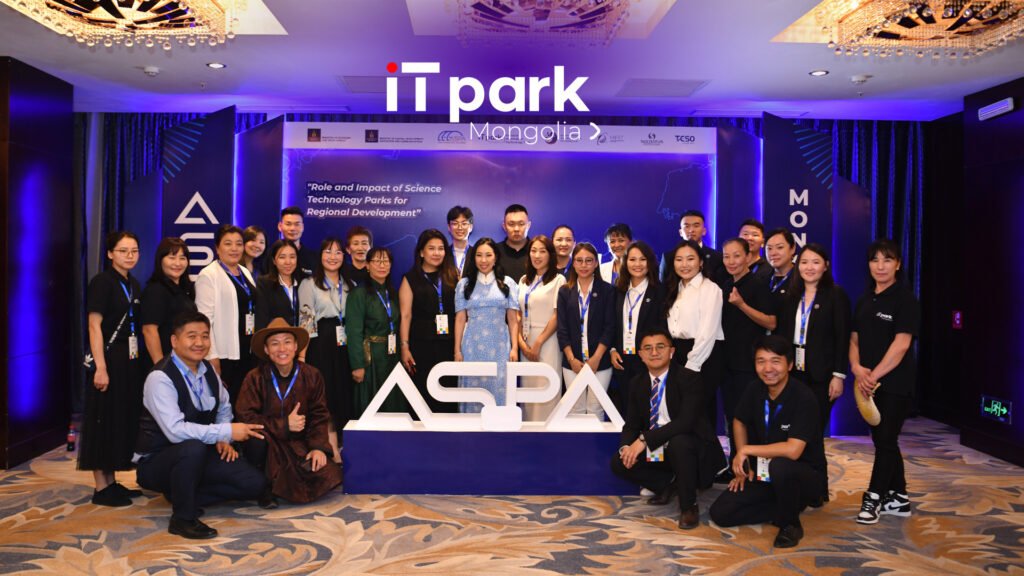
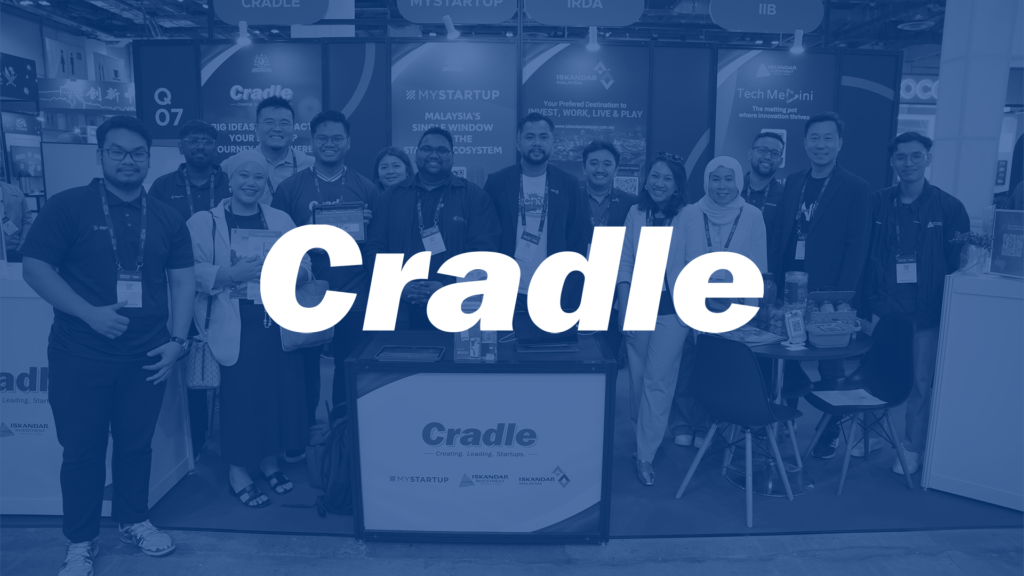
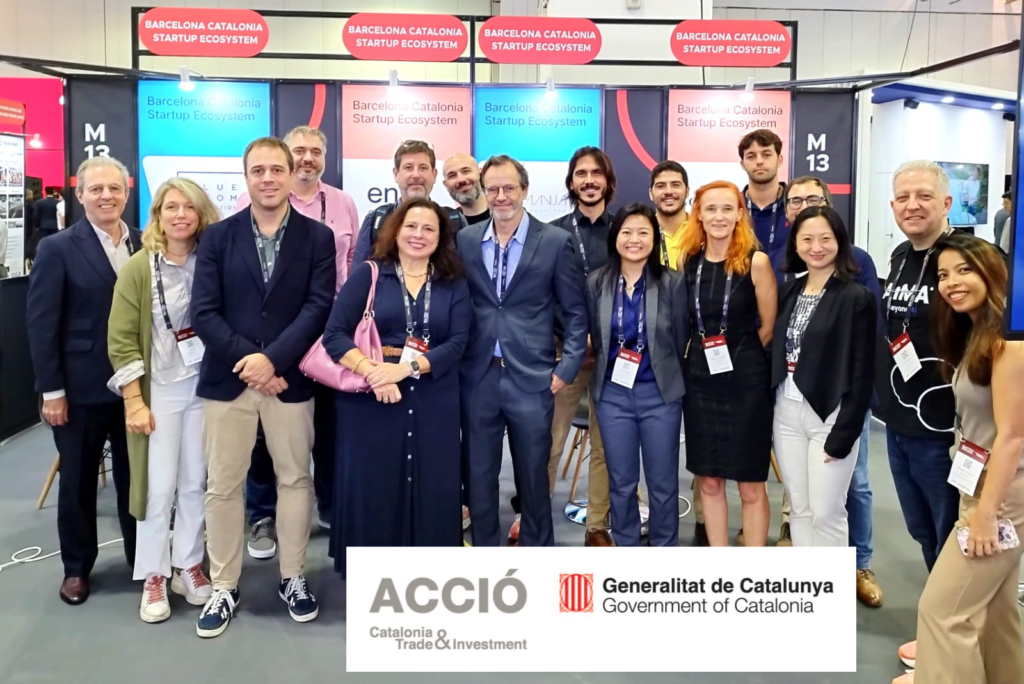
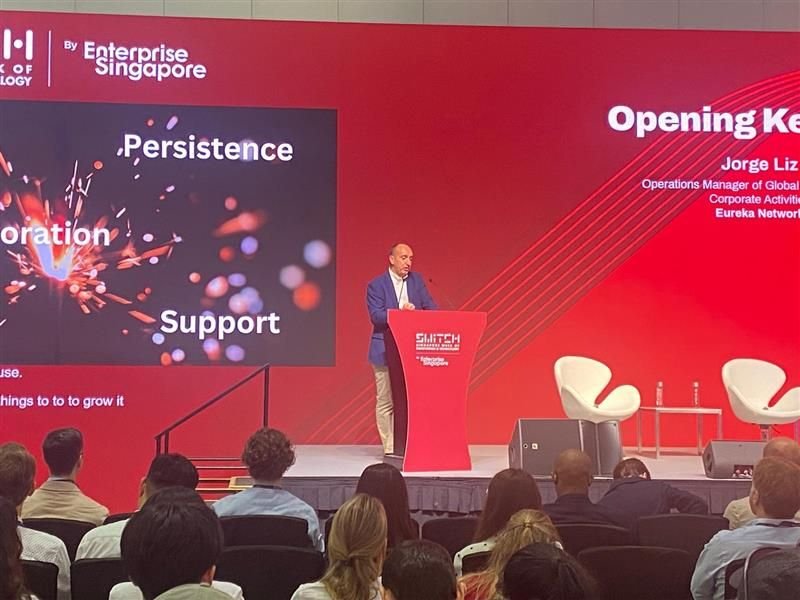
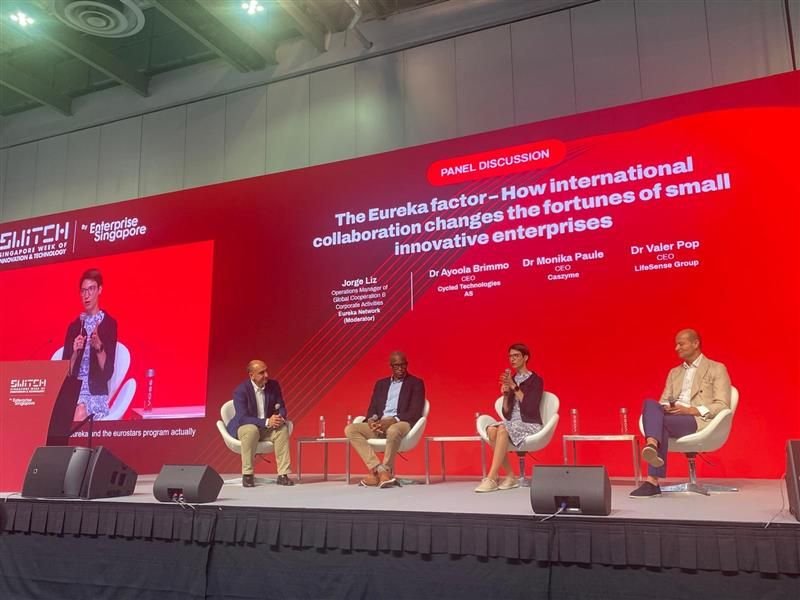
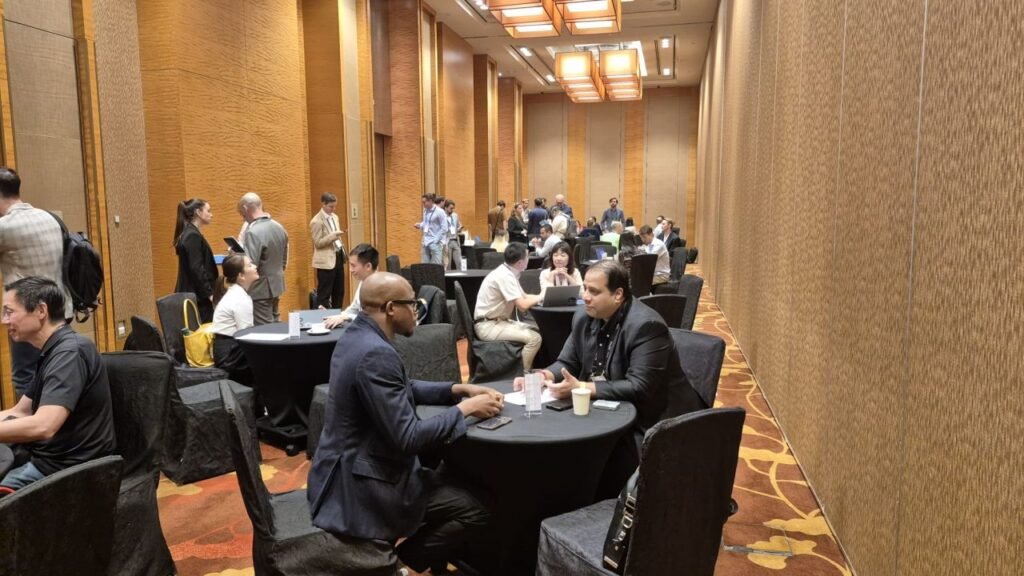
A second pathway is the Investment Readiness programme, which helps companies prepare for investment. With this initiative, we organise missions to major innovation and technology events around the world, like the Singapore Week of Innovation and TeCHnology (SWITCH). Here, companies can meet potential investors and cultivate research and business partnerships.
Beyond these two tools, our broader innovation programmes, Eurostars, Clusters, Network Projects and Globalstars, promote internationalisation by design. Organisations based in two or more countries can apply for funding from their respective ministries or innovation agencies to carry out market-oriented, research and development projects.
In the latest edition of our Eurostars programme alone, over 30% of small- and medium-sized enterprises entered new markets shortly after completing a project.
Can you share some success stories of startups you’ve helped enter the Singapore market? What factors contributed to their success?
Eureka has excellent startups and small- and medium-sized enterprises within its community. For our 2025 mission to SWITCH, we selected a pool of 31 companies from 16 countries with ambitions to expand into Singapore or the wider Asian market. Many of these have unique, disruptive products that are already making an impact in their home countries or throughout Europe.
Sometimes, all that is needed are introductions to relevant local organisations or strategic partners for sparks to fly. With over 300 projects funded through Eureka programmes each year, and with two to three participants per project, there is consistently huge potential for successful entry into the Singaporean market.
Between 2023 and 2025, seven of the companies that attended international missions have already entered new markets in Asia. We are looking forward to discovering whether more links were formed following the 2025 edition of the event.
Singapore is known for its strong innovation ecosystem. Have you seen that in action? Are there specific programmes, events or partners you’d recommend to startups considering expansion into SG or looking to learn more about the tech community?
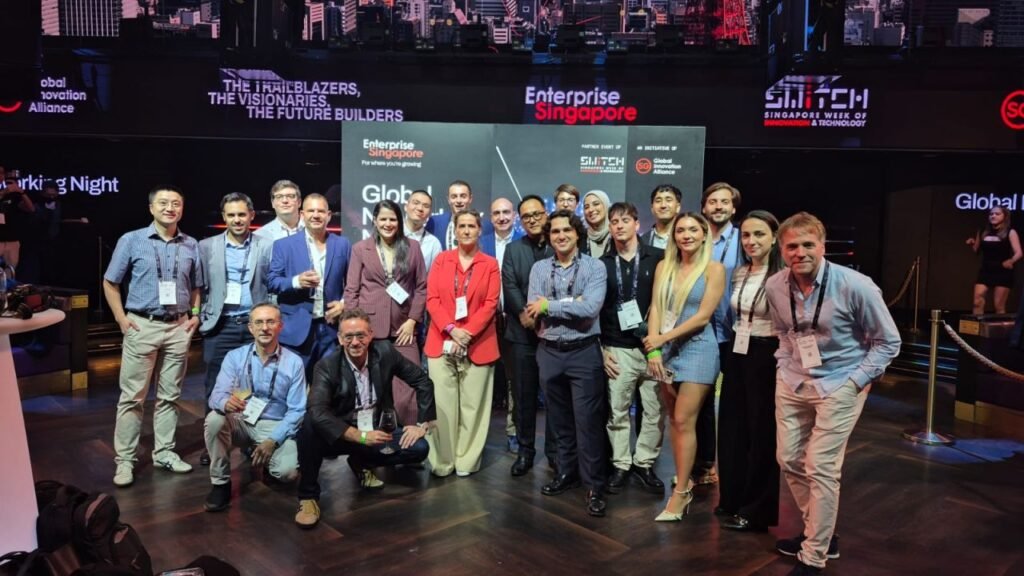
As part of Eureka’s international mission to SWITCH, we had the opportunity to see Singapore’s technology ecosystem in action. Enterprise Singapore curated several site visits that showcased a range of innovation actors: Pitchflix, 8 Circle, Singapore Deep Tech Alliance and the Schneider Electric Singapore Innovation Hub.
Each organisation demonstrated how intentionally Singapore nurtures a supportive environment for new, international talent and technology‑driven ventures. These organisations have initiatives in the form of pitching advice, mentoring, accelerators and matchmaking for startups to plug in to the ecosystem.
When startups from your region enter the Singapore market, what are some of the most common challenges or support needs they face? What more can be done in Singapore to help ease their market entry and accelerate their success?
Eureka alumni, Insati Innovation and Aesthesis Medical, cited navigating the regulatory landscape and securing local clinical or commercial partnerships as hurdles to entering a new market. Both companies are innovating in healthcare and biotechnology and currently adapting their strategies to Singapore’s highly network-driven ecosystem.
One way to address these challenges might be to enhance structured soft-landing mechanisms and improve access to pilot projects, thereby accelerating market integration and traction. Italian company, SoftMining, is in favour of recurring, sector-specific missions facilitated by trade associations, along with follow-on assistance related to market intelligence (e.g., customer needs and pricing) and executing deals with local partners.
Why should Singaporean startups explore your market as part of their own global expansion journey?
Eureka is a global expansion journey in itself. For Singaporean startups, it serves as a gateway not only to geographic Europe, but also to Canada, Chile, Brazil, South Africa and South Korea.
Through Eureka’s programmes and their frameworks for cooperative research, development and innovation, Singaporean startups can go further alongside like-minded researchers and entrepreneurs around the world.
And because Enterprise Singapore is such an active partner within Eureka’s network, startups have considerable flexibility in choosing where to explore, backed by public funding.