
Could you share more about your internationalisation programs and how they support tech businesses expanding globally?
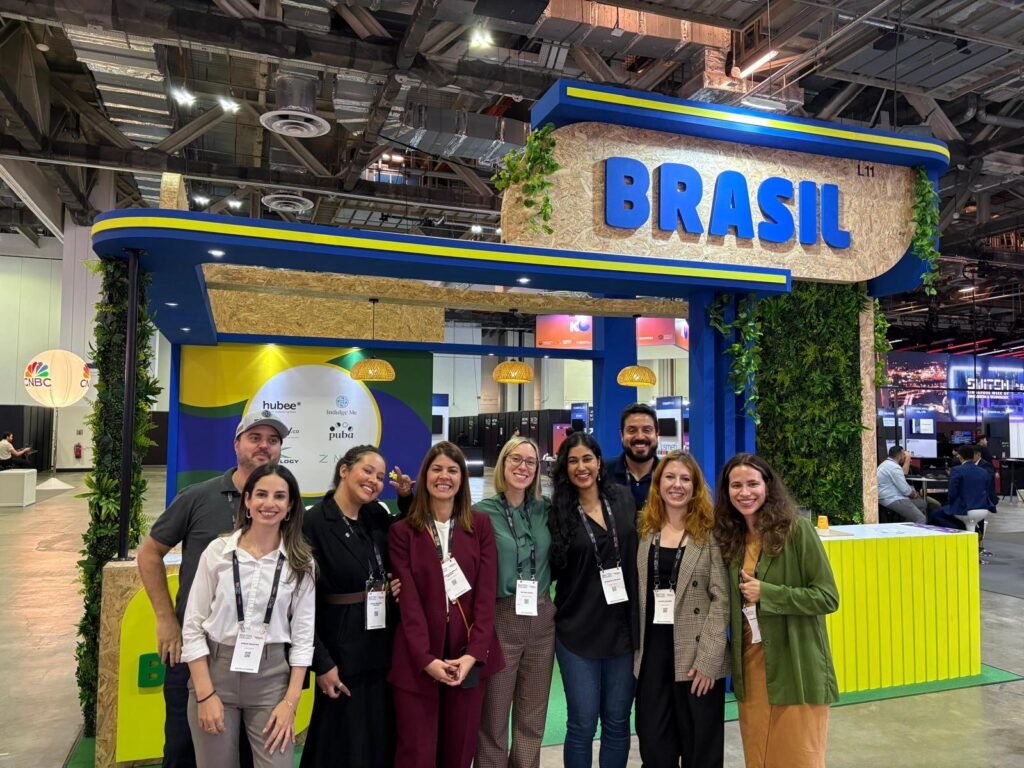
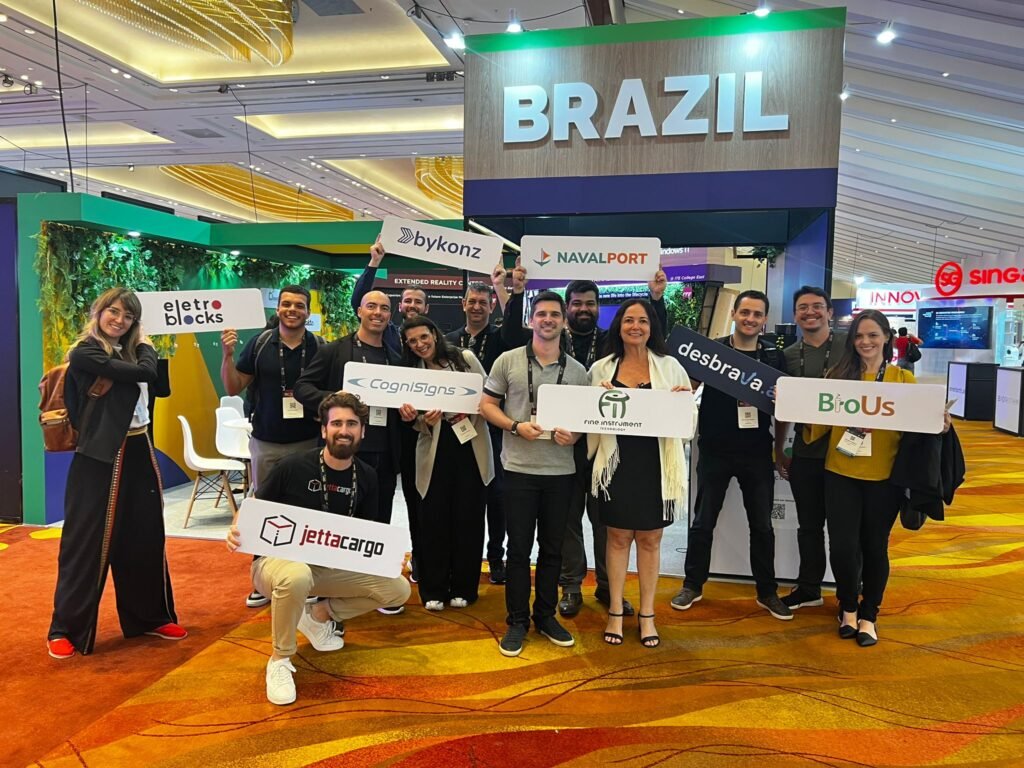
For the past five years, the Brazilian Embassy has organized annual startup missions to Singapore to accelerate Brazilian innovative companies seeking expansion into Singapore and Southeast Asia. The program combines intensive online workshops with an in-market immersion experience. Entrepreneurs receive practical guidance on navigating a different business culture, refining their pitch for diverse audiences, and enhancing their value proposition by leveraging intellectual property and intangible assets. After nearly two months of preparation, they travel to Singapore for a packed week of meetings and ecosystem engagement, culminating with the participation at SWITCH.
Can you tell us about some of the startups you’re working with at the moment, and which ones you think could do well in Singapore?
At this point, we are scouting for 2026 batch. Last year, we had companies from various backgrounds and verticals. Our deep tech startups brought remarkable advances in biotech and medtech, including Orby, which supports patients recovering from spinal cord injuries, and Kinology, which develops solutions for individuals with mobility challenges. In agritech, Brazil’s strength as an agricultural powerhouse was represented by Puba and its innovative nanotechnology‑based sunscreen for fruits and vegetable crops. Digital innovation also stood out with Indulge Me, a no‑code gamified platform already active in Singapore, while Hubee Design streamlines marketing asset creation through an online subscription service.
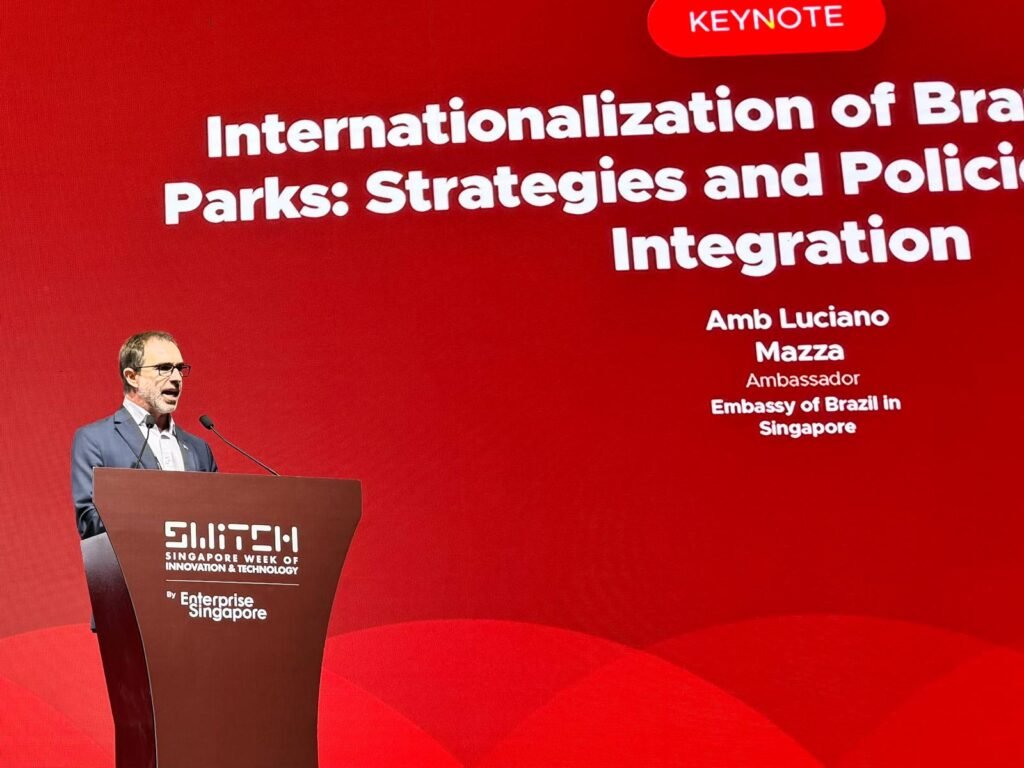
When startups from your country enter the Singapore market, what are some of the most common challenges or support needs they face? What more can be done in Singapore to help ease their market entry and accelerate their success?
Startups find Singapore welcoming and straightforward to set up in, but they face intense competition from high‑quality local and global players. To stand out, foreign entrepreneurs must offer truly differentiated solutions to attract investors and clients’ attention. High labour and living costs, especially compared with neighbouring countries and with Brazil, can also be challenging. Further support could involve expanding soft‑landing programmes, strengthening access to local networks and corporates, and providing more direct help with early hiring and basic operating expenses.
Why should Singaporean startups explore your market as part of their own global expansion journey?
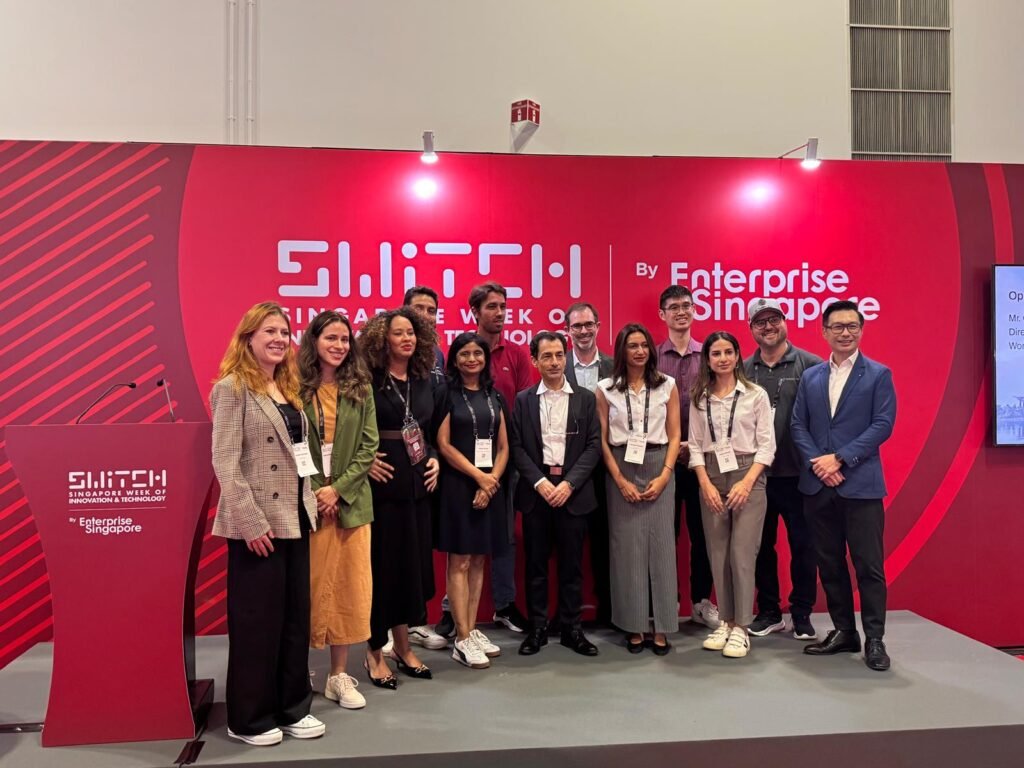
Brazil boasts a dynamic consumer market of over 200 million people with significant agricultural and industrial capabilities, undergoing rapid digital transformation. It is an innovation ecosystem hungry for new technologies. Singaporean startups can bring to bear their advance solutions in areas such as sustainability, urban innovation, agritech, and advanced manufacturing, with a view not just to expanding in Brazil, but also the wider Latin American market. By collaborating, Singaporean and Brazilian ecosystems can enhance their competitiveness and generate mutual opportunities for long‑term, innovation‑driven growth.